Guide
Steak Doneness Temperature Chart (Rare to Well Done)
This page contains affiliate links – if you buy through them we may earn a commission, at no extra cost to you. The recommendations are our own assessment. As an Amazon Associate we earn from qualifying purchases.
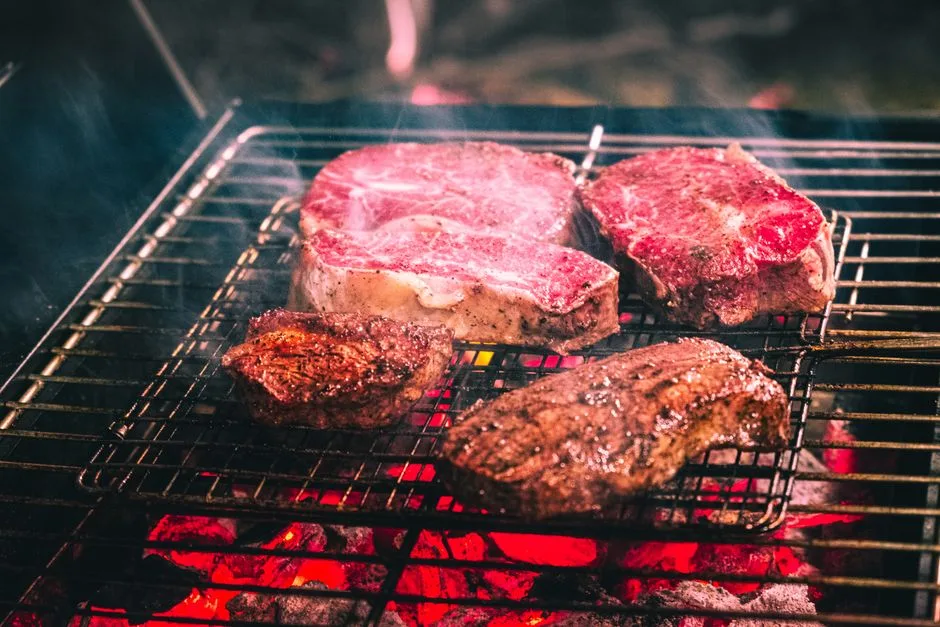
Cooking steak to the doneness you like comes down to one number: the internal temperature at the thickest part of the meat. This chart lists the pull temperatures for each level of doneness, from rare through well done, in °F with °C in parentheses. A steak's temperature is the only reliable way to judge doneness, since color and firmness vary with the cut, the animal, and the light in your kitchen.
One important distinction runs through everything below: the safe minimum temperature is not the same as your doneness preference. The USDA sets a safe minimum internal temperature of 145°F (63°C) for whole-muscle beef (steaks, chops, and roasts), plus a 3-minute rest before eating. Doneness levels below that point, such as rare and medium-rare, are widely enjoyed but fall below the safe minimum, so they involve some added risk that each person chooses to accept. This page covers whole-muscle steak only. Ground beef is different: it must reach 160°F (71°C), because grinding mixes any surface bacteria throughout the meat.
How to use this chart and where to measure
Insert an instant-read thermometer into the center of the steak, aiming for the thickest part and avoiding bone, fat, and the pan surface, which all read hotter or cooler than the meat itself. On a thin steak, slide the probe in from the side so the tip sits in the middle. Because the outside of a steak keeps transferring heat inward after you remove it, the internal temperature will rise roughly 3–5°F (about 2–3°C) while it rests. That is why the chart's pull temperatures are the numbers to take the steak off the heat, not the final numbers on your plate.
| Doneness | Pull temp °F (°C) | Notes |
|---|---|---|
| Rare | 120–125°F (49–52°C) | Cool-to-warm red center. Below the USDA safe minimum; a personal choice with some risk. |
| Medium-rare | 130–135°F (54–57°C) | Warm red-to-pink center. Popular but below the safe minimum. |
| Medium | 140–145°F (60–63°C) | Warm pink center. The top of this band meets the USDA safe minimum of 145°F (63°C) after a 3-minute rest. |
| Medium-well | 150–155°F (66–68°C) | Slightly pink center fading to gray-brown. Above the safe minimum. |
| Well done | 160°F+ (71°C+) | Little to no pink; cooked through. Firm and drier. |
Tips for accurate results
- Pull about 5°F (3°C) early. Take the steak off before it reaches your target DONENESS and let carryover close the gap during the rest. One exception: if your target is the 145°F (63°C) safe minimum rather than a doneness preference, cook to 145°F on the heat and rest afterwards — do not subtract the 5°F from a safety floor.
- Rest before cutting. A 3-minute rest lets the temperature even out and, for the safe minimum at 145°F (63°C), is part of the USDA guidance. Resting also helps the steak hold its juices.
- Measure the thickest spot. Thin edges cook faster, so the center is what determines doneness.
- Trust the thermometer, not the clock or the color. Cook time varies with thickness, starting temperature, and heat, and interior color is an unreliable guide.
- Keep ground beef separate in your mind: burgers and any ground beef must reach 160°F (71°C), which is higher than a medium steak.
- If you are serving people who are more vulnerable to foodborne illness, such as young children, older adults, pregnant people, or anyone with a weakened immune system, cook to at least the 145°F (63°C) safe minimum.
What is the safe minimum temperature for steak?
The USDA safe minimum internal temperature for whole-muscle beef, including steak, is 145°F (63°C), followed by a 3-minute rest before eating. That corresponds to a warm medium doneness.
Is medium-rare steak safe to eat?
Medium-rare, around 130–135°F (54–57°C), is below the USDA safe minimum of 145°F (63°C). Many people eat and enjoy it, but it carries some added risk. It is a personal choice, and people who are more vulnerable to foodborne illness should cook to at least 145°F (63°C).
Why does ground beef need a higher temperature than steak?
Grinding spreads any bacteria from the surface throughout the meat, so ground beef must reach 160°F (71°C) all the way through. A whole-muscle steak's interior starts essentially sterile, which is why 145°F (63°C) is the safe minimum for steak.
How much does carryover cooking raise the temperature?
After you remove a steak from the heat, the internal temperature typically climbs about 3–5°F (roughly 2–3°C) as it rests. Thicker steaks and hotter cooking methods produce more carryover, so pull earlier for those.
Do I really need a thermometer?
Yes. An instant-read thermometer is the only reliable way to know a steak's internal temperature. Color, firmness, and cooking time all vary too much to judge doneness or safety accurately by eye or feel.
Related guides